I spent eight years learning to make films the traditional way: pitch, script, shoot, edit, ship. Then AI showed up and started doing pieces of that loop faster than any of us could. So this year I completed the Forward Deployed Engineering Academy, mostly to answer one question honestly: what does the future of creative actually look like in an AI world?
This sabbatical is my attempt to answer it in the field, not in a deck. Over the next five and a half months I'm testing a new role: the Forward Deployed Creative. This is the first dispatch.
The role
Think of it as the creative counterpart to a Forward Deployed Engineer. The engineer prototypes working software in the room, with the client, in days instead of months. A Forward Deployed Creative does the same thing with craft: pairing AI for scale with the human taste that decides whether the output actually moves an audience or just looks like it might.
That's the part I keep coming back to. AI can get you to a first draft fast. It cannot tell you whether the first draft is any good, or whether it's the right thing to have made in the first place. That judgment call is still entirely human, and it's the whole job.
The loop I'm testing
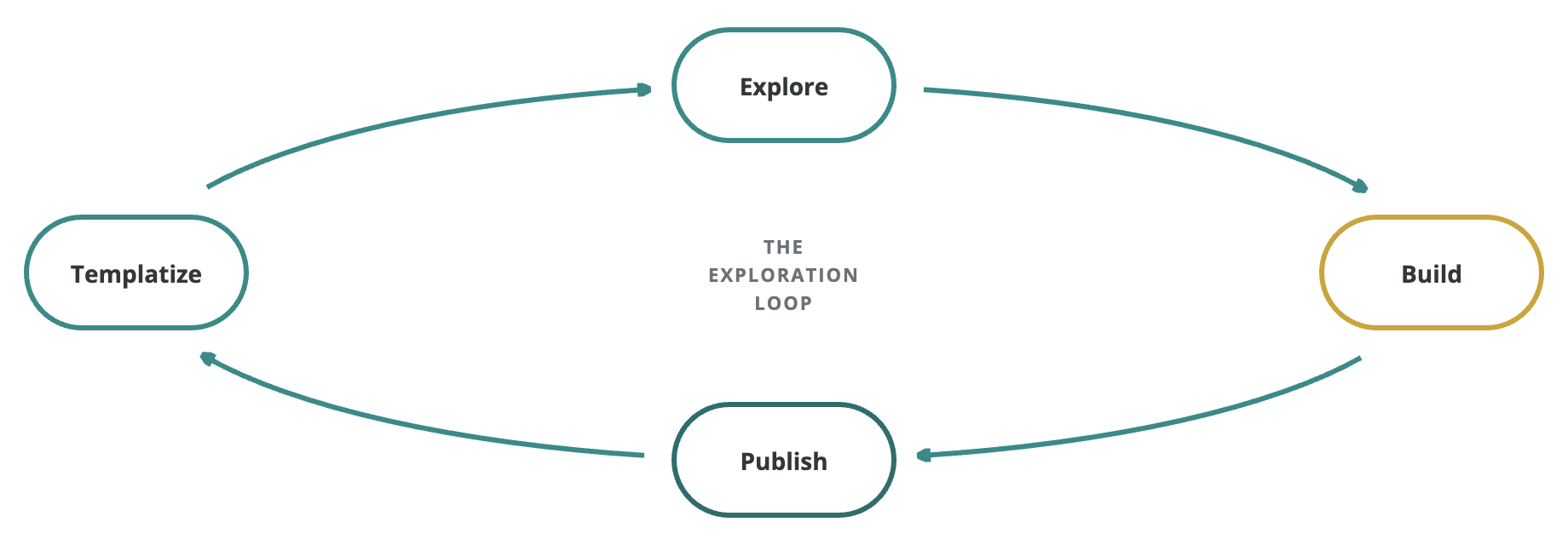
Every experiment this year runs through the same four moves:
- Build: go from concept to a working demo in days, not a deck that describes what the demo would do.
- Iterate: test the output against what the client actually needs it to do, and refine until it feels built for them, not generated at them.
- Judge: the taste call. What's good enough to ship, and what only looks like it is. This is the step AI speed skips if you let it.
- Sell & scale: turn what worked into something reusable, and carry the lesson back into how the studio pitches and builds.
Why this, why now
Nobody has defined where human-centered creative sits in an AI-accelerated agency yet. It's genuinely unclear territory, and the only way I know to make it less unclear is to go build things and see what breaks. So that's the plan: prototype across a few sectors, document what actually happened (including the parts that didn't work), and bring back a clearer answer than "it depends."